
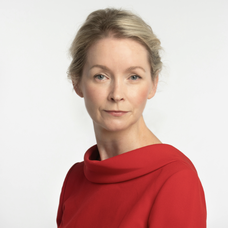
Dr. Sabrina Fitzsimons
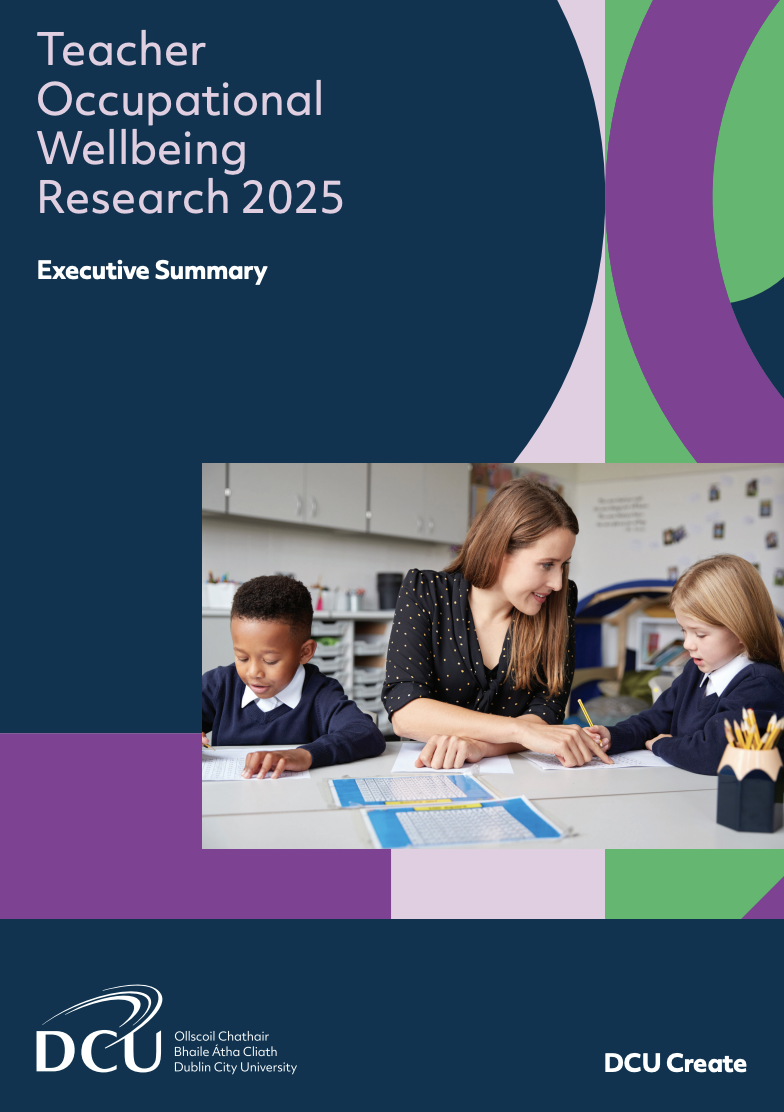
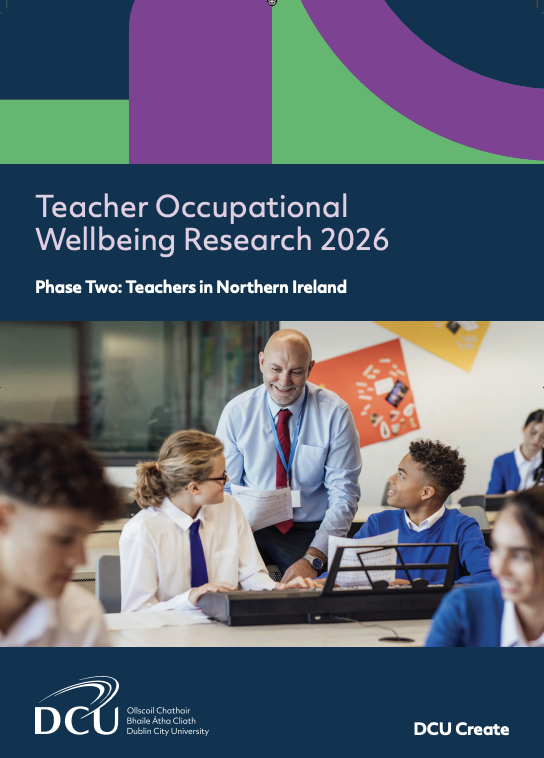
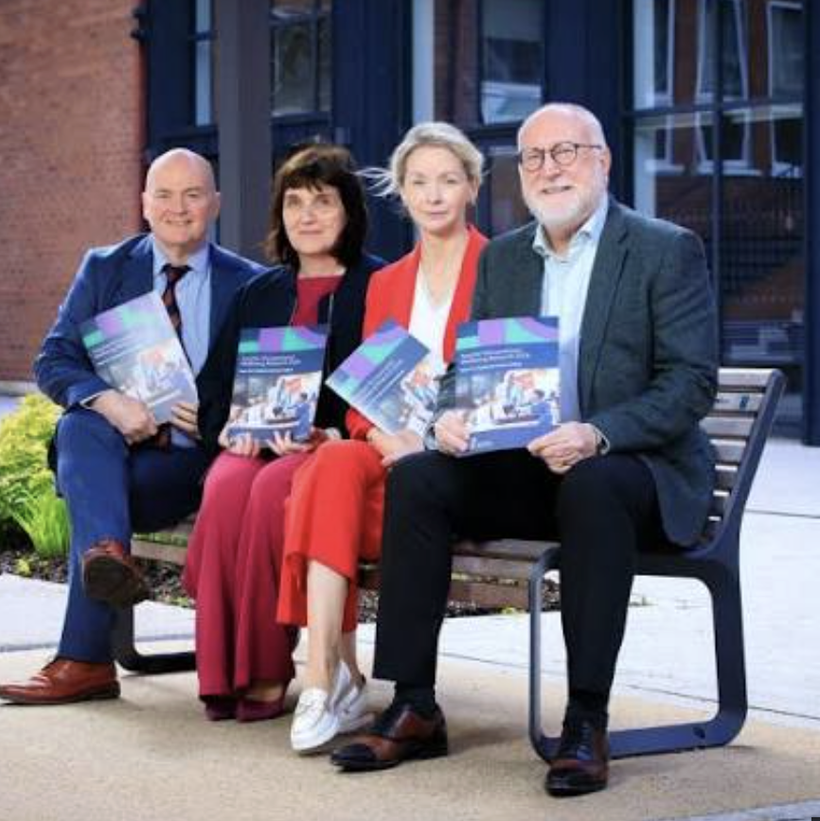
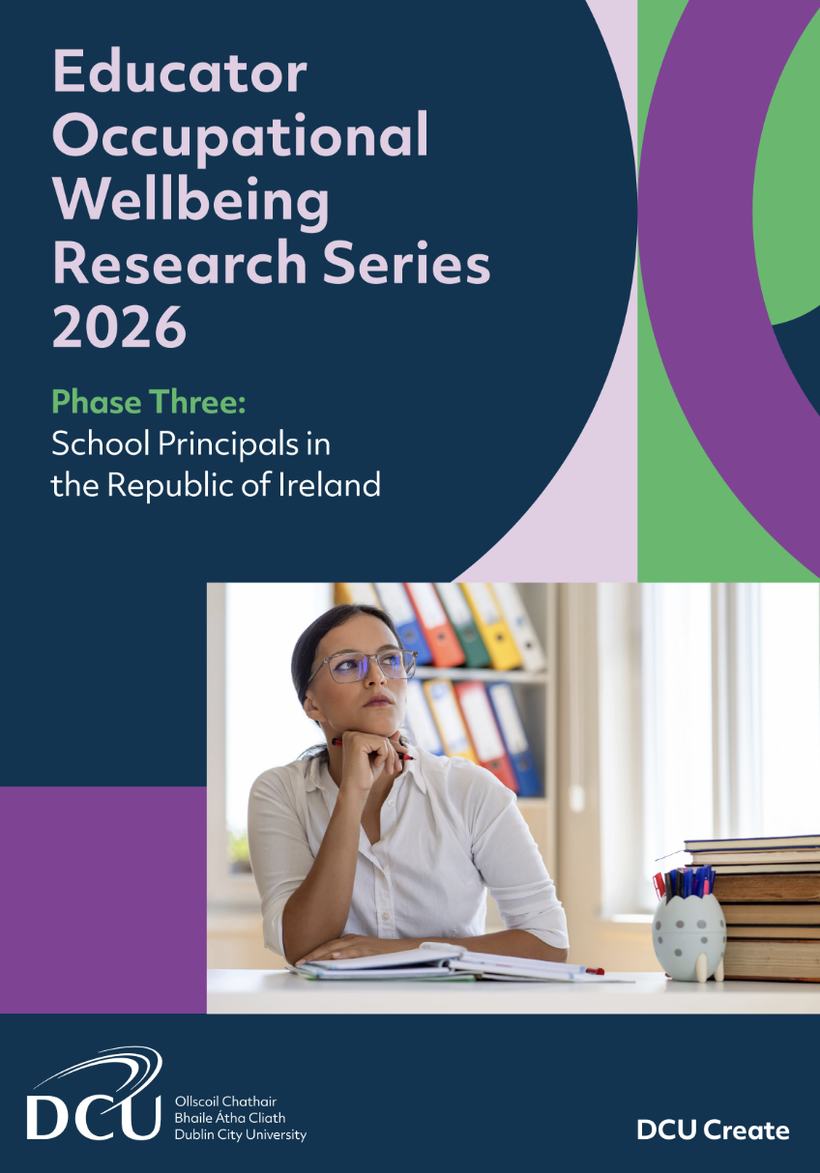
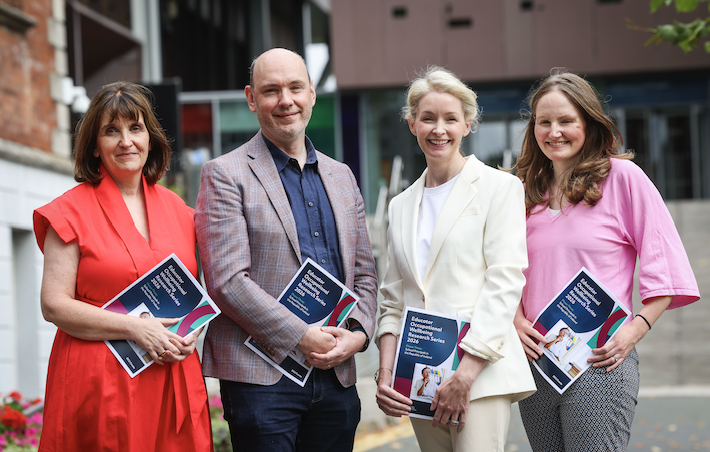
Sabrina is Co-Director of CREATE and an Assistant Professor of Education based in the School of Policy and Practice. A Senior Fellow of the Higher Education Academy, Sabrina's research explores Educator Occupational Wellbeing in Ireland and the United Kingdom.
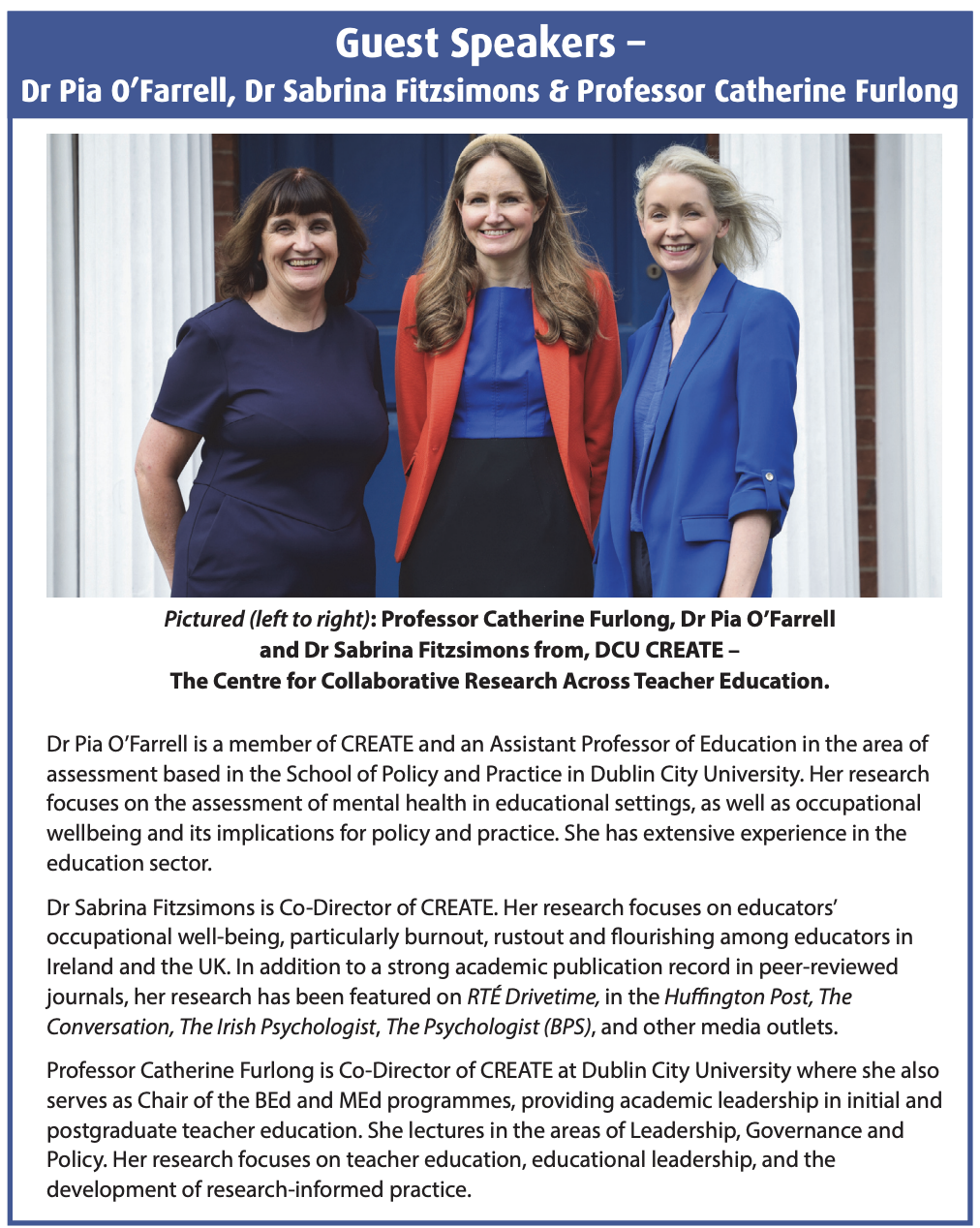
Sabrina's research has been cited in the official records of the Oireachtas, including Seanad Éireann and the Joint Committee on Education and Youth, as well as in proceedings of the Northern Ireland Assembly (Stormont). Her research has also informed cross-party political statements across both jurisdictions. She was an invited keynote speaker at the Westminster Education Forum Conference, a guest speaker for the Division of Work and Organisational Psychology (Ireland) and a keynote speaker at the 2026 ASTI National Convention.
Along with a strong record of peer-reviewed publications in academic journals, Sabrina has written articles for BERA, EERA, WONKHE, and other research-sharing outlets, including prominent professional body publications such as The Irish Psychologist and the British Psychological Society magazine 'The Psychologist'.
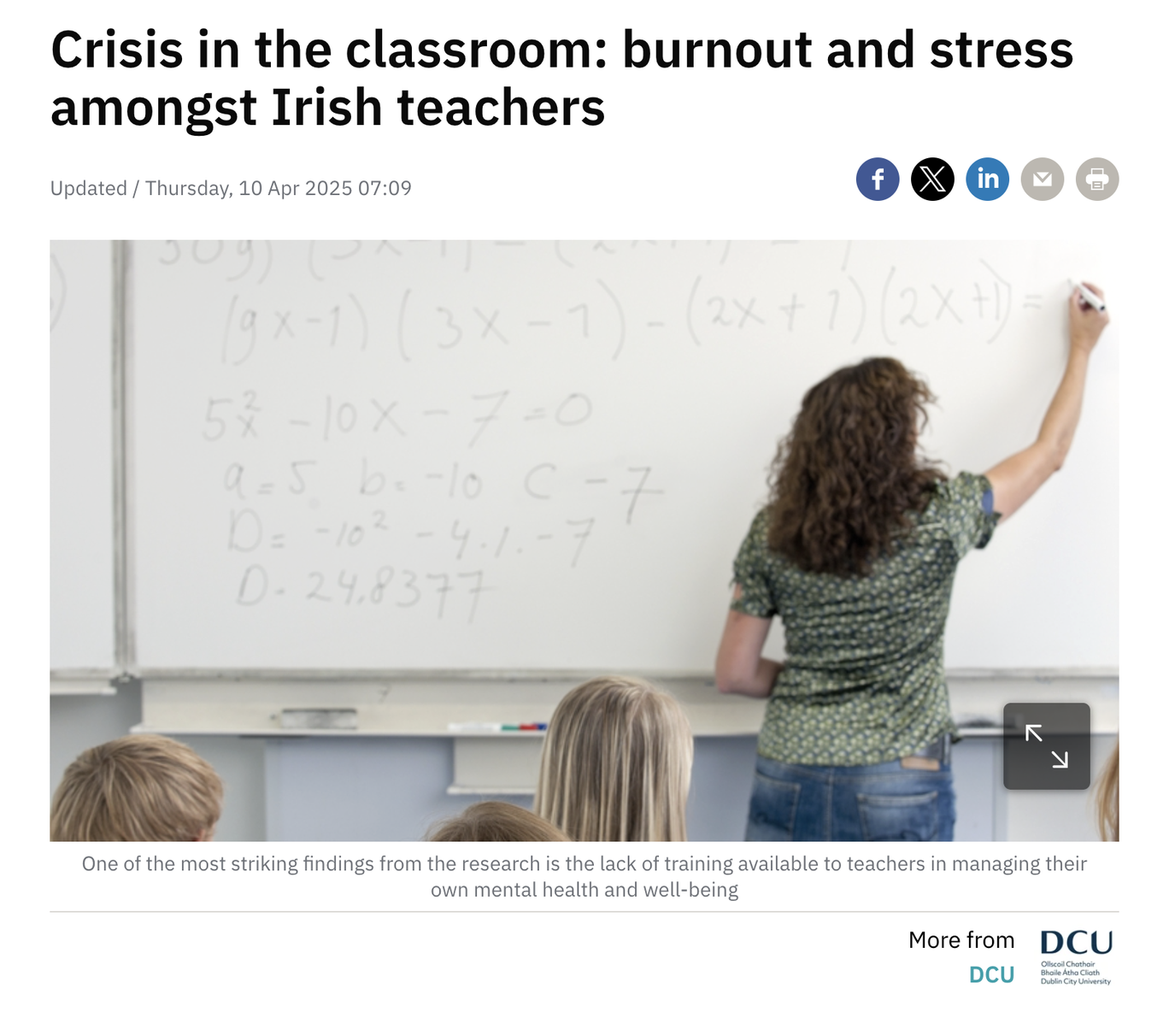
Sabrina's work has been featured across a range of platforms, including: RTE Drivetime, RTE Brainstorm, The Conversation, The Huffington Post, BBC News, HR News Canada, Pharmazeutische-Zeitung (PZ), 'Let's Talk Education Research' Podcast, the Education Matters Vodcast, the 'Mind Your Mind' podcast with Roxana Parra, the Shaye Ganam Show (Canada) - and other fora.
She has expertise in online research methods, virtual environments, and digitally mediated communities, with interests in how online spaces shape experience, interaction, and influence wellbeing. With colleagues in DCU and the ECIU, Sabrina is also championing Challenge-Based Learning within Initial Teacher Education.
With interdisciplinary expertise across education, psychology and digital research, Sabrina has established and sustained a strong network of research collaborations beyond Ireland, working with colleagues across the UK and Europe on projects relating to teacher and educator wellbeing, initial teacher education, workload, CBL, and educational policy, including partnerships with universities and research networks in Northern Ireland, Scotland, Wales, England, Lithuania and ECIU network.
Nominations: Sabrina is a 2026 nominee for the prestigious DCU President's Award for Research (Impact) and was a 2025 nominee for the DCU President's Award for Excellence in Teaching and Learning in two categories: (1) Academic Category, (2) Team Teaching.
Sabrina is a member of the Editorial Board of the UNESCO Chair Journal “Lifelong Professional Education in the XXI Century”, founded by the Ivan Ziaziun Institute of Pedagogical Education and Adult Education of the National Academy of Educational Sciences of Ukraine, and supported by the UNESCO Chair on Lifelong Professional Education in the XXI Century of the NAES of Ukraine.
Research Interests
- Occupational well-being of educators and high-achieving professionals.
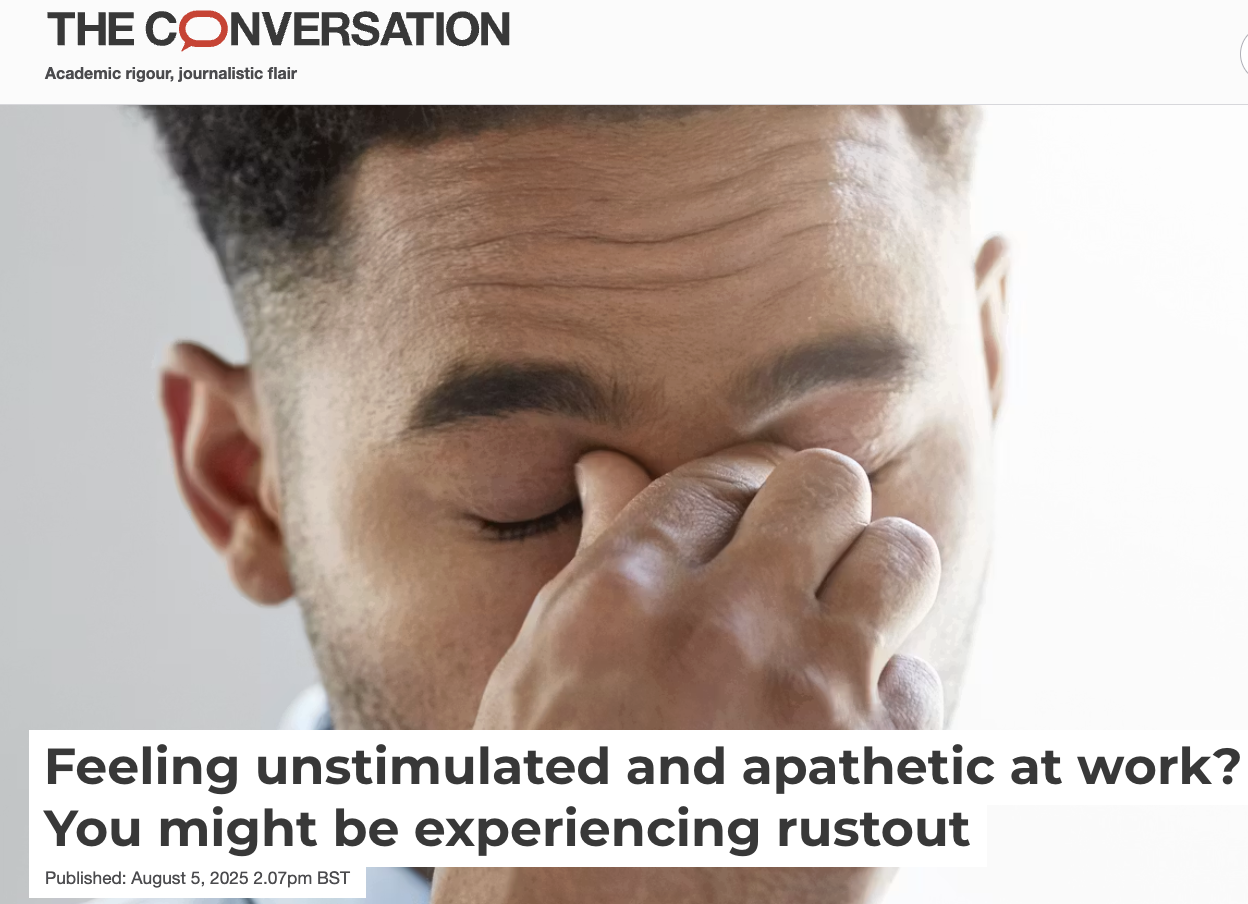
- Mental health and well-being in education, including burnout, rustout, flourishing, and quality of life among educators across schools and higher education.
- Online environments and innovative practices, including virtual learning, online communities, challenge-based learning, and the use of digital technologies in teaching and learning.
- Teacher education, with interests in student teachers’ placement experiences, research engagement, and professional development.
Teaching Interests
|
|
|
|
|

Funding Highlights
- Subjective Wellbeing Across Nations (SWAN), Partner, 01/09/2025 to 30/01/2027
- Teacher Mental Health and Wellbeing: Translating Research into Action for Policy and Practice, DCU Co-PI, 01/06/2025 to 31/05/2026
Gallery

Multimedia
- This conversation explores the well-being of teacher educators in higher education, focusing on the prevalence of burnout, its symptoms, and the factors contributing to it. Sabrina Fitzsimons shares insights from her research, highlighting the complexity of burnout, the importance of rest, and the need for institutional support. The discussion also emphasizes protective factors that can help educators maintain resilience and the significance of social connections in their professional lives.