School of Health & Human Performance
Research to advance health, movement and human performance
The School of Health and Human Performance is a multidisciplinary research community of academics, practitioners and postgraduate researchers. We investigate how people move, exercise, recover and perform across the lifespan. Our work brings together laboratory science and research in schools, clinics, communities and sporting environments to address challenges in health and wellbeing.
Our research spans several connected areas:
-
Exercise Physiology, Metabolism and Nutrition
-
Physical Activity, Public Health and Healthy Ageing
-
Injury Prevention, Athletic Therapy and Rehabilitation
-
Biomechanics, Movement Science and Assistive Technology
-
Women’s Health, Sport and Exercise
-
Physical Education, Physical Literacy and Health Literacy
-
Coaching, Talent Development and Sport Performance
This breadth is reflected in initiatives across the School. The DCU Exoskeleton Programme investigates supported walking for people with neurological conditions, while LifeLab works with young people to develop and study approaches to health literacy. CoEx|Lab conducts research with sporting organisations on coaching, expertise and performance systems. These projects illustrate our commitment to working with the people and organisations who can put research into practice.
We welcome enquiries from prospective postgraduate researchers, research partners and organisations interested in collaboration. Through the research portal, you can explore our researchers’ expertise, publications and projects, and connect with the people behind the work.
Information / Highlights
DCU Exoskeleton Programme
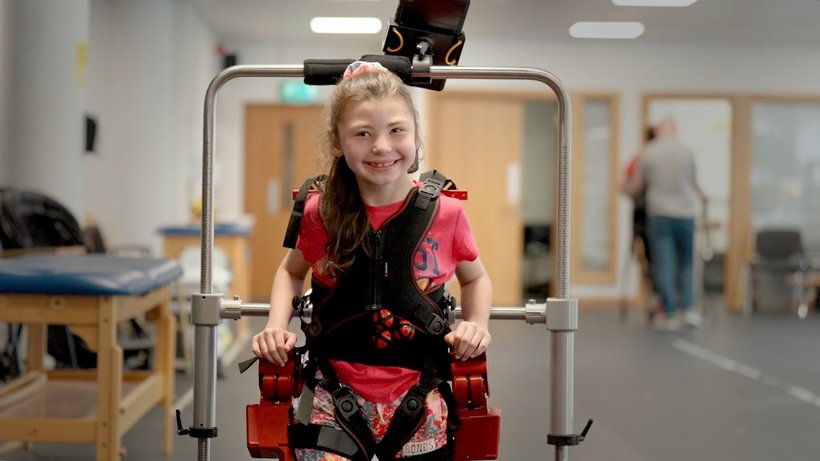
The DCU Exoskeleton Programme is a physiotherapist led research initiative exploring how robotic assisted walking can support people with reduced mobility due to neurological conditions. Adults with conditions such as spinal cord injury and stroke take part in supported walking sessions, while researchers study their experiences, the potential health benefits and how the technology can best be used in rehabilitation.
In 2024, the programme expanded to include children, including those with cerebral palsy. This work gives children an opportunity to experience supported walking while helping the team investigate how exoskeleton sessions can be adapted to their needs. By bringing together clinical practice, biomechanics and rehabilitation research, the programme aims to build evidence that can improve access to this emerging technology.
Contact Information
Postal address
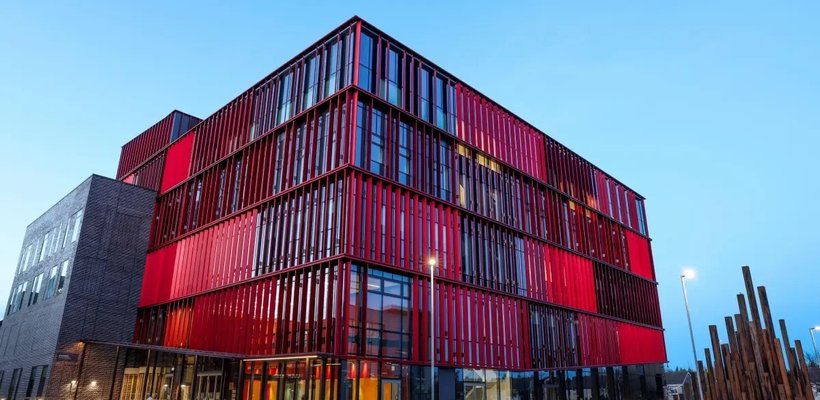
- Glasnevin Campus Polaris Building
- D09 YH9P Dublin
- Ireland
- View on map, opens in new tab
Phone
- +353 1 700 8881
Email
Sustainable Development Goals
Gallery